Some books offer a system. This one puts a voice on a mountain, sends it down among people, and lets things go wrong.
Thus Spoke Zarathustra is philosophy in the form of a journey: speeches, encounters, songs, withdrawals. Its images do more than illustrate an argument. They make the reader work through it. A bridge can be crossed. A burden can be carried. A beginning can be attempted.
These notes follow four of those images. They are invitations to read closely, with the possibility that the next passage will unsettle the last.
Leave the mountain.
Zarathustra has spent ten years in solitude when he decides to descend. The mountain has given him something, but keeping it to himself is no longer enough. Thought must risk an encounter with other people.
“a bridge and not a goal”
His first public address meets a crowd waiting for a tightrope walker. They do not receive the message as he expects. One way to read this failure is as a challenge to the authority of the speaker himself. Having something to say does not mean knowing how to give it.
The bridge image leaves human possibility unfinished. A bridge exists in the tension between its ends; it asks for movement. Read this way, the passage invites a practice of thinking that can leave its own vantage point. Even a beautiful idea becomes a kind of enclosure if nothing can disturb it.
Which certainty would you have to leave behind to see from somewhere else?
Carry. Refuse. Create.
The spirit becomes a camel, a lion, and a child. Each figure changes what freedom asks of us.
Three transformations / Pen studies
-
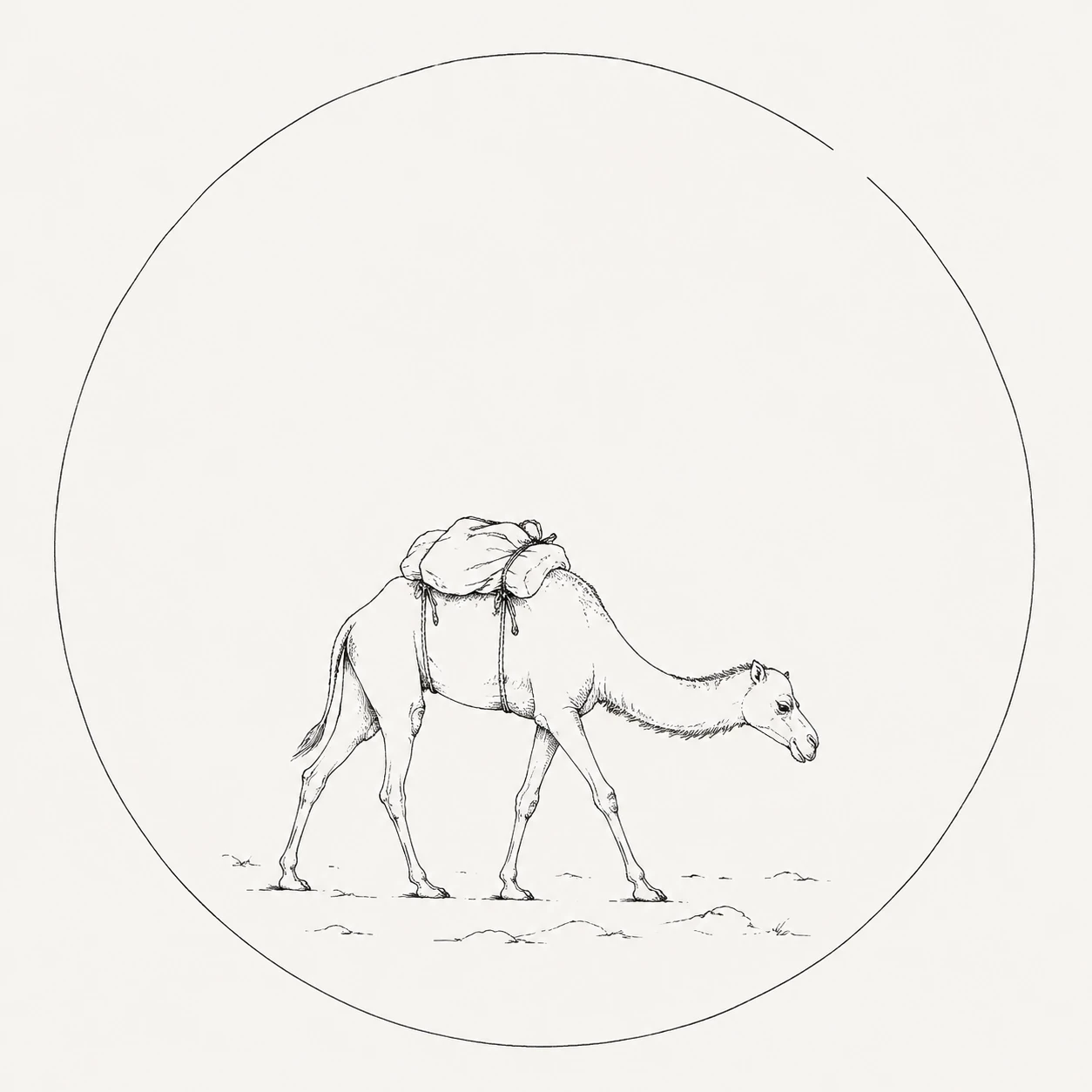
Camel
01The strength to carry.
-
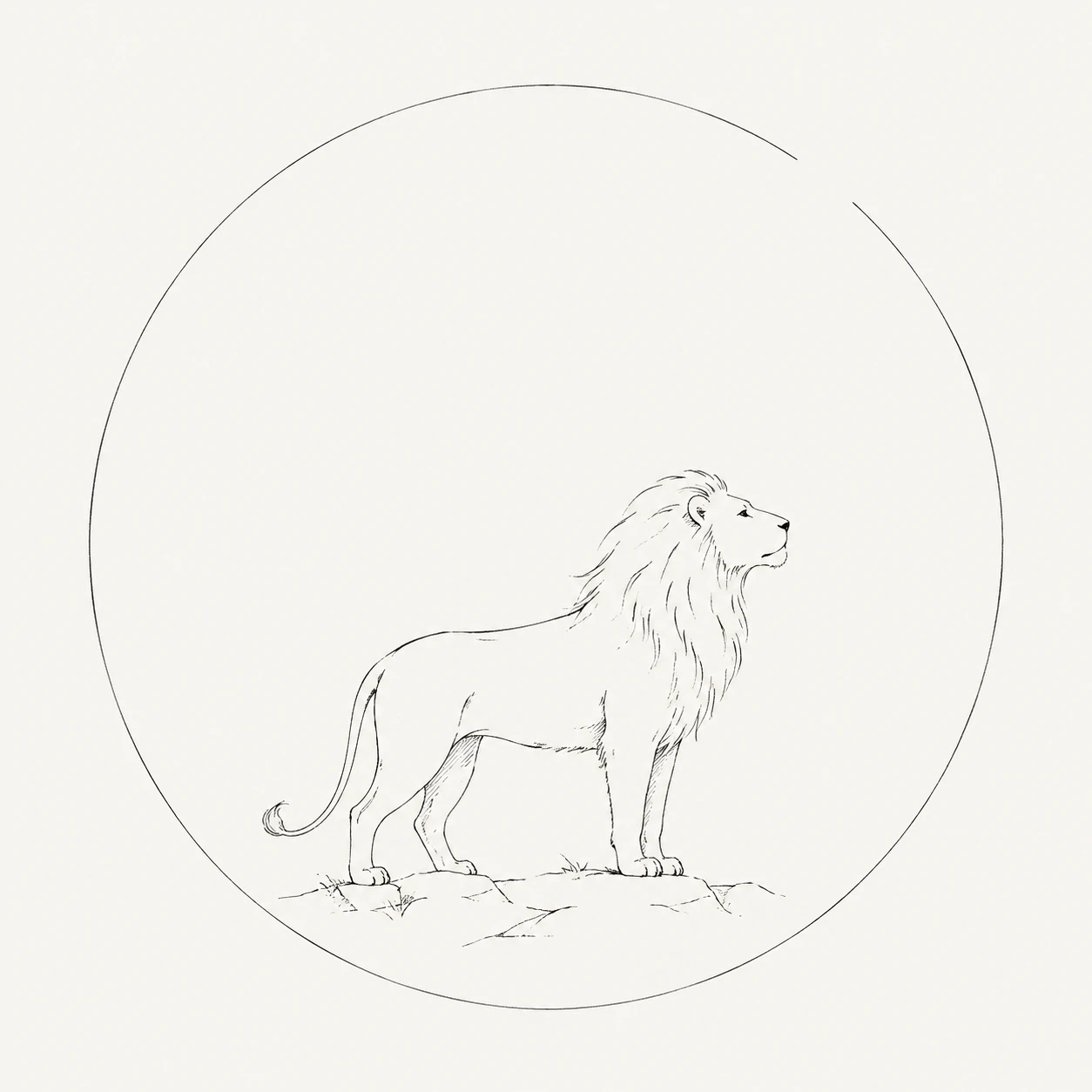
Lion
02The freedom to refuse.
-
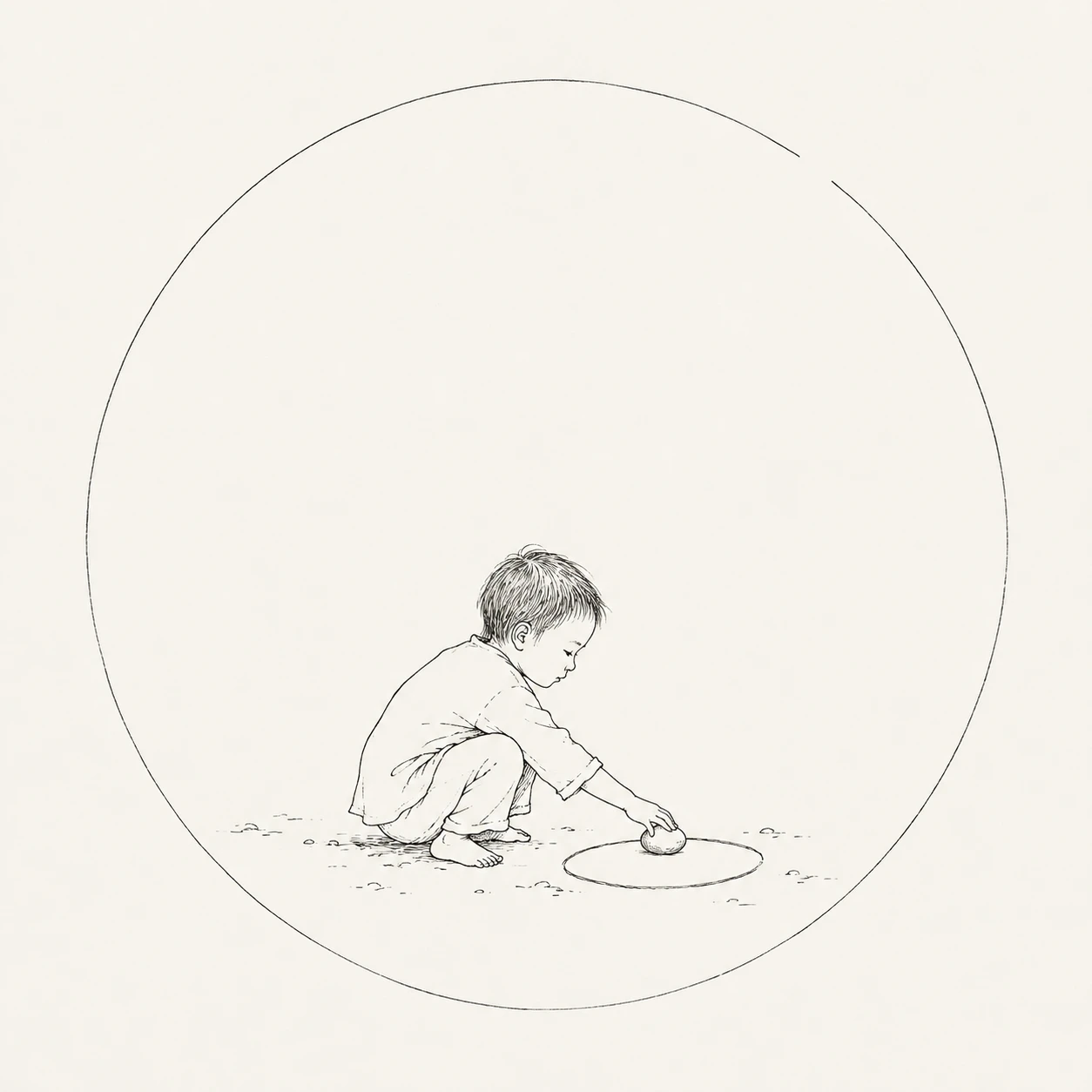
Child
03The courage to begin.
A visual sequence inspired by the Zen ox-herding pictures.
The camel can bear weight: difficult study, discipline, the demands of inherited values. The lion confronts the dragon of “Thou shalt” and claims the freedom to refuse. Yet refusal alone cannot create new values. For that, Zarathustra turns to the child.
“Innocence is the child”
These figures can be read as capacities to return to, rather than permanent identities. Learning requires patience. Criticism requires courage. Invention requires room to play. The difficult passage is from winning freedom to doing something with it.
There is a useful question here for anyone working through a foundational text. After mastering its methods and finding its limits, what would it mean to ask a question the text did not prepare us to ask?
After the necessary “no,” what might your first “yes” be?


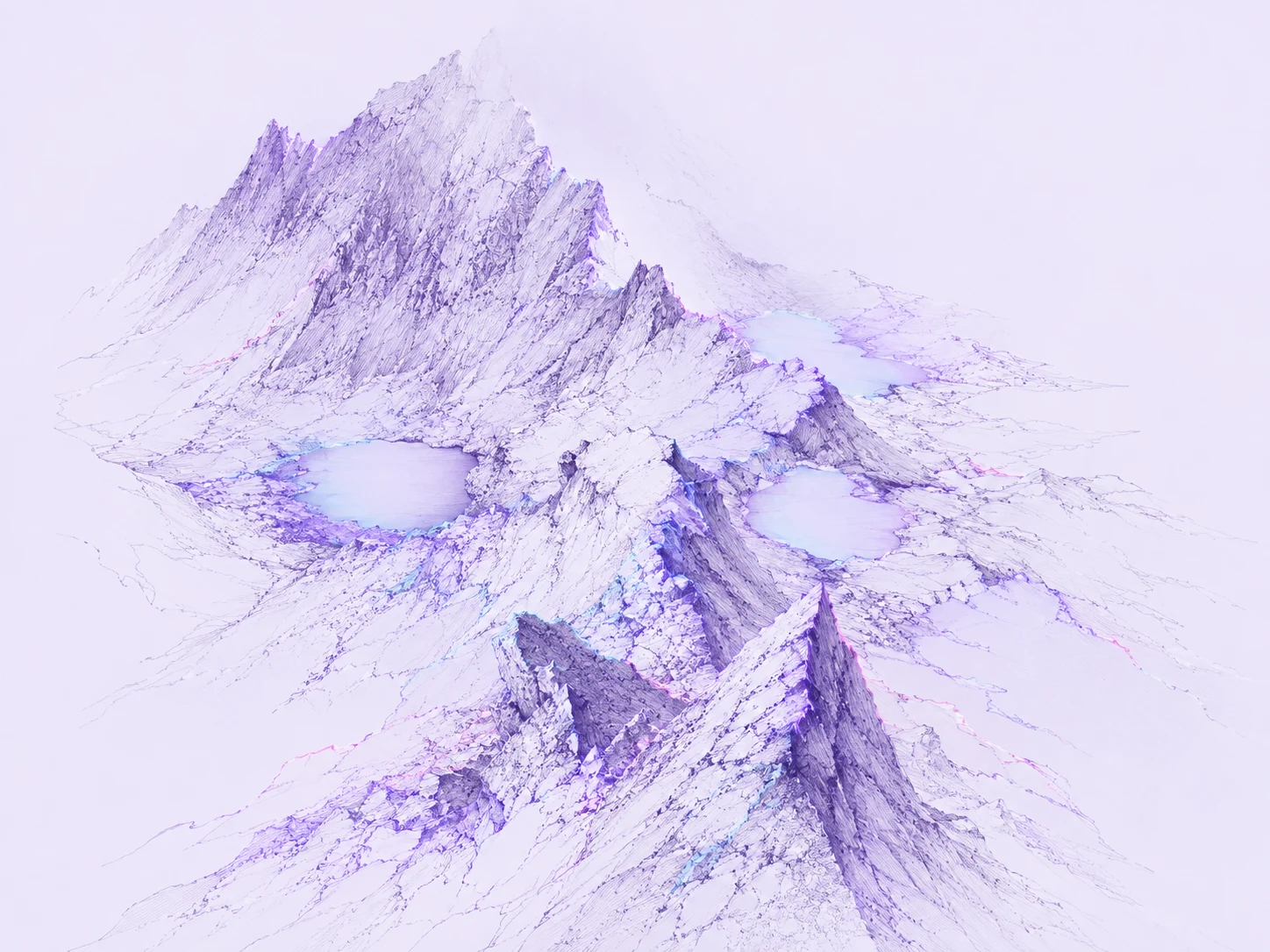


Revise the measure.
Improvement seems straightforward when the standard stays fixed. The unsettling possibility in self-overcoming is that the standard may also need to change.
“which must ever surpass itself”
In this chapter, values are caught up in the movement of life. They are made, defended, and put at risk. A reading centered on self-examination therefore asks more than whether a person can meet an ideal. It asks how that ideal came to have authority.
For a notebook, the practical difficulty is familiar. A framework makes certain connections visible. With time, it can make unfamiliar connections look like mistakes. Revising it takes more than collecting new answers; it may require examining the habits that decide what counts as an answer at all.
This is an interpretation to test against the text, with its sharper claims about power and valuation still in view. Turning the passage into a comfortable slogan would lose much of its force.
Who would you become if your definition of progress changed?
And then, again.
In “The Convalescent,” Zarathustra’s animals give the thought of return a musical ease. Zarathustra’s own struggle to bear it is far less effortless.
“Everything goeth, everything returneth”
That difference matters. A thought can be easy to repeat and difficult to inhabit. One reading of recurrence makes it a question about affirmation: how much of a life could be welcomed again, including the parts that resist a satisfying story?
Here, the cosmological question remains open. The immediate difficulty is whether an affirmation of life can include the ordinary, disappointing, and unfinished alongside its moments of clarity. It is a demanding question precisely because selecting only the beautiful moments would evade it.
The ridge disappears into mist. There is still another step.
What would make this life one you could say yes to again?
The text beneath these notes
Friedrich Nietzsche, Thus Spoke Zarathustra (1883–1885). Quotations follow Thomas Common’s English translation, published as Thus Spake Zarathustra, available at Project Gutenberg. Capitalization is normalized in the self-surpassing excerpt. These notes offer one interpretation, with questions left open.